Feb
Differences Between Ketamine and MDMA: Understanding Their Medical Uses and Mental Health Research in Canada
Introduction | Differences Between Ketamine and MDMA
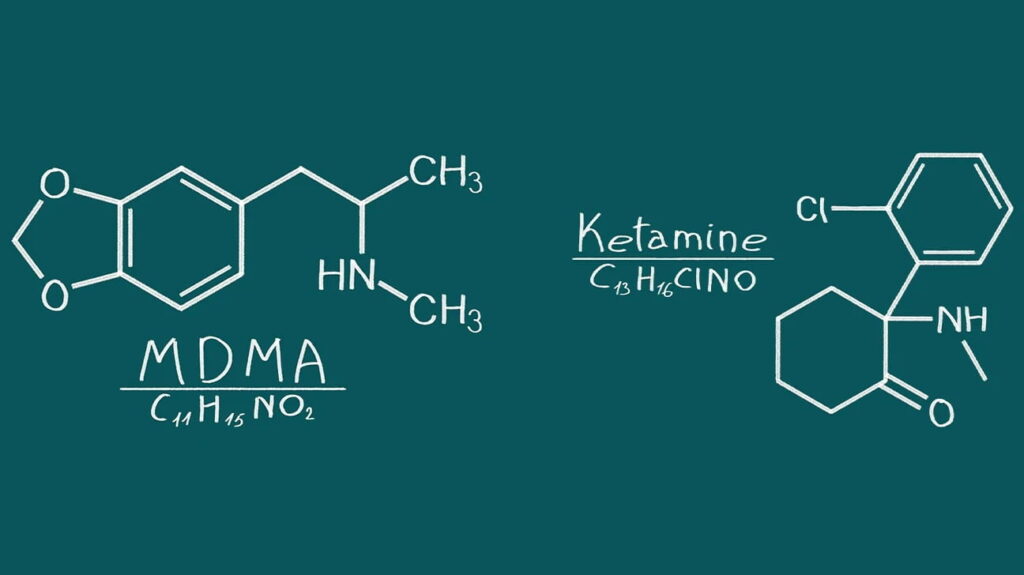
Ketamine and MDMA are two very different substances, yet both have attracted significant scientific attention for their potential roles in mental health treatment. Although they are sometimes mentioned together in discussions about depression, post-traumatic stress disorder (PTSD), and anxiety, they differ in their chemical structure, how they affect the brain, their approved medical uses, and the conditions they are currently being studied to treat.
In Canada, mental health remains a major public health priority. Researchers, healthcare professionals, and universities across Ontario, British Columbia, Alberta, Quebec, Manitoba, Saskatchewan, Nova Scotia, New Brunswick, Prince Edward Island, and Newfoundland and Labrador continue exploring innovative approaches to treating mental illness. Among these areas of research are ketamine therapy and MDMA-assisted psychotherapy, both of which are being investigated in carefully controlled clinical settings.
Understanding the differences between ketamine and MDMA is important for anyone interested in current mental health research. While both substances have shown promise in scientific studies, they are used in very different ways and remain subject to strict medical and regulatory oversight.

Understanding Ketamine
Ketamine is a medication that has been used safely in hospitals for decades as an anesthetic during surgeries and medical procedures. Doctors commonly administer ketamine because it helps control pain, produces sedation, and allows patients to undergo procedures comfortably.
Researchers have also become interested in ketamine because some studies suggest it may rapidly reduce symptoms of severe depression in certain patients under medical supervision. These findings have generated significant interest in psychiatry, particularly for individuals whose depression has not responded to conventional treatments.
Ketamine works differently from most traditional antidepressants by affecting glutamate, an important neurotransmitter involved in learning, memory, and brain communication. Scientists continue studying exactly how these mechanisms contribute to improvements in mood.
Understanding MDMA
MDMA, or 3,4-methylenedioxymethamphetamine, is a synthetic psychoactive substance that affects serotonin, dopamine, and norepinephrine within the brain.
Unlike ketamine, MDMA is not approved as a routine medical treatment in Canada. However, researchers continue investigating whether MDMA-assisted psychotherapy may help individuals living with conditions such as post-traumatic stress disorder (PTSD).
Rather than acting primarily as an anesthetic, MDMA temporarily influences emotional processing, empathy, trust, and social connection. Researchers believe these effects may help some patients engage more effectively in psychotherapy when administered under carefully supervised clinical conditions.
Current studies remain highly controlled and involve extensive medical screening, professional monitoring, and structured therapy sessions.
Effects of Ketamine
The effects of ketamine depend on the dose, medical setting, and individual patient.
Researchers and healthcare professionals have observed that ketamine may produce:
- Temporary pain relief
- Sedation during medical procedures
- Altered perception of time and surroundings
- Reduced awareness of discomfort
- Temporary changes in sensory perception
Because ketamine can affect coordination and awareness, its medical use is carefully supervised by trained healthcare professionals.
Scientists continue studying its possible role in treating severe depression, treatment-resistant depression, and certain chronic pain conditions.
Effects of MDMA
MDMA affects the brain differently than ketamine.
Researchers have found that MDMA temporarily increases activity in several neurotransmitter systems associated with mood and emotional regulation.
Clinical studies have reported temporary effects such as:
- Increased emotional openness
- Greater empathy
- Improved communication during therapy
- Reduced fear responses
- Increased feelings of trust
Researchers continue studying how these temporary effects may contribute to psychotherapy for individuals living with trauma-related disorders.
Unlike recreational environments, clinical research carefully monitors participants throughout every stage of treatment.
Clinical Uses of Ketamine in Canada
Ketamine is already an established medication within Canadian healthcare.
Hospitals throughout Canada use ketamine for:
- Surgical anesthesia
- Emergency medicine
- Pain management
- Certain specialized medical procedures
Researchers are also investigating ketamine’s potential role in treating mental health conditions, particularly severe depression that has not responded to standard therapies.
Clinical research continues across Canadian hospitals, universities, and specialized mental health centres.
Clinical Research on MDMA in Canada
Unlike ketamine, MDMA remains primarily a research subject rather than an established medical treatment.
Canadian researchers continue participating in international clinical trials investigating whether MDMA-assisted psychotherapy may benefit individuals living with PTSD and other trauma-related conditions.
Healthcare professionals emphasize that this research differs significantly from recreational use.
Clinical studies include:
- Careful participant screening
- Professional psychological support
- Medical supervision
- Structured therapy sessions
- Long-term follow-up
Researchers hope these studies will provide a clearer understanding of both the potential benefits and limitations of MDMA-assisted therapy.
Key Differences Between Ketamine and MDMA
Although both substances are discussed within mental health research, several important differences exist.
| Ketamine | MDMA |
|---|---|
| Approved medical anesthetic | Primarily investigated through clinical research |
| Acts mainly on glutamate systems | Primarily affects serotonin, dopamine, and norepinephrine |
| Used routinely in hospitals | Studied for possible therapeutic applications |
| Commonly used for anesthesia and pain management | Primarily researched for PTSD-assisted psychotherapy |
| Long history of medical use | Emerging area of psychiatric research |
Understanding these differences helps explain why researchers study each substance for different medical purposes.
Mental Health Research Across Canada
Canada continues to support scientific research into innovative mental health treatments.
Researchers throughout Ontario, British Columbia, Alberta, Quebec, Manitoba, Saskatchewan, Nova Scotia, New Brunswick, Prince Edward Island, and Newfoundland and Labrador contribute to studies involving depression, PTSD, anxiety disorders, and emerging psychiatric therapies.
Canadian universities, hospitals, and healthcare organizations collaborate with international researchers to better understand how evidence-based treatments can improve patient outcomes.
Frequently Asked Questions
What is the main difference between ketamine and MDMA?
Ketamine is an approved anesthetic used in medical settings, while MDMA is primarily being investigated in clinical research for its possible therapeutic role in psychotherapy.
Is ketamine used in Canadian hospitals?
Yes. Ketamine has been used safely in hospitals across Canada for many years as an anesthetic and pain-management medication.
Is MDMA approved as a routine treatment?
MDMA is currently being studied in carefully controlled clinical research but is not considered a standard treatment for mental health conditions.
Why are researchers studying both substances?
Scientists continue investigating whether these substances may improve outcomes for certain treatment-resistant mental health conditions when used under professional medical supervision.
Is more research needed?
Yes. Researchers agree that additional clinical trials and long-term studies are necessary to better understand safety, effectiveness, and appropriate clinical applications.
Conclusion
Ketamine and MDMA are fundamentally different substances, despite both receiving attention within mental health research. Ketamine has a long-established role in Canadian medicine as an anesthetic and pain-management medication, while MDMA is being investigated for its potential use alongside psychotherapy in carefully supervised clinical settings.
Across Canada, researchers continue exploring innovative treatments for PTSD, depression, anxiety, and related conditions. Although early findings have generated optimism, both healthcare professionals and researchers emphasize the importance of evidence-based practice, continued clinical trials, and careful regulatory oversight.
As scientific knowledge continues to expand, understanding the differences between ketamine and MDMA will remain important for healthcare professionals, researchers, and anyone interested in the future of mental health treatment in Canada.
