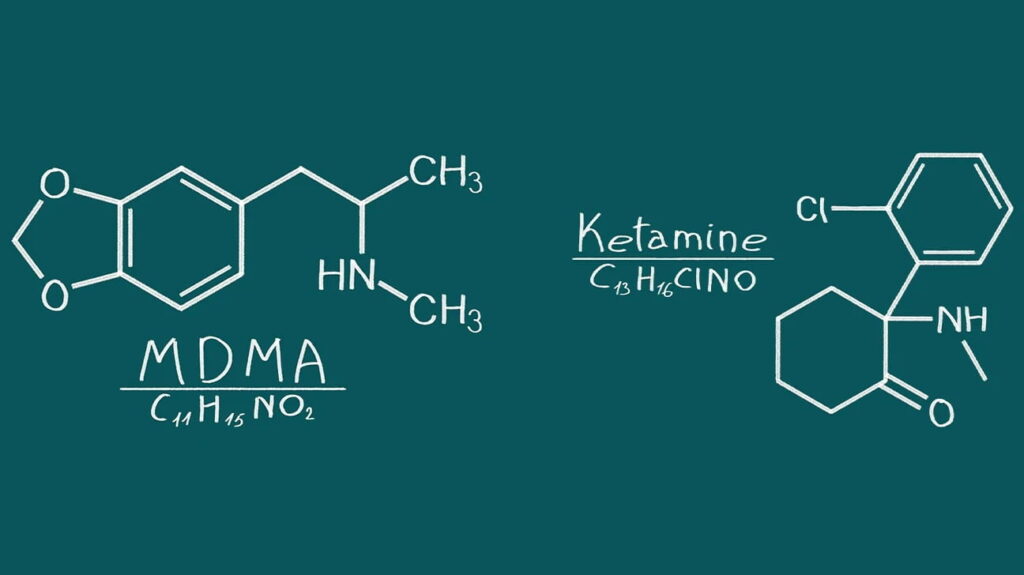
Differences Between Ketamine and MDMA: Understanding Their Medical Uses and Mental Health Research in Canada Introduction | Differences Between Ketamine and MDMA Ketamine and MDMA are two very different substances, yet both have attracted significant scientific attention for their potential roles in mental health treatment. Although they are sometimes mentioned together in discussions about depression, […]
Category Archives: KETAMINE
Introduction | Buy Ketamine In canada
Buy Ketamine In canada. Ketamine is a well-established medication that has played an important role in modern medicine for more than five decades. Initially developed during the 1960s as an anesthetic for surgical procedures, ketamine has become one of the most widely recognized medications in emergency medicine, pain management, and more recently, mental health research.
In Canada, ketamine continues to be used in hospitals and healthcare facilities for anesthesia and pain control. At the same time, researchers across Ontario, British Columbia, Alberta, Quebec, Manitoba, Saskatchewan, Nova Scotia, New Brunswick, Prince Edward Island, and Newfoundland and Labrador are contributing to international research investigating its potential role in treating depression and other complex mental health conditions.
Although ketamine has historically been associated with anesthesia, scientific interest has expanded significantly over the past decade because of its rapid effects on certain patients experiencing treatment-resistant depression. Unlike many traditional antidepressants that may require several weeks before noticeable improvements occur, ketamine has demonstrated the ability to produce rapid symptom relief in carefully supervised clinical settings.
This article explores what ketamine is, how it works, its approved medical uses, its growing role in mental health research, current studies taking place in Canada, and important safety considerations for patients and healthcare professionals.
What Is Ketamine? | Buy Ketamine In canada
Ketamine is a dissociative anesthetic that has been safely used in medicine for many years. It was originally developed as an alternative anesthetic because of its ability to provide pain relief, sedation, and temporary loss of awareness while maintaining many important protective reflexes.
Researchers classify ketamine as a dissociative anesthetic because it temporarily changes the way the brain processes sensory information. During medical procedures, this allows patients to remain comfortable while reducing pain and awareness.
Unlike many other anesthetic medications, ketamine primarily works by blocking N-methyl-D-aspartate (NMDA) receptors in the brain. These receptors play an important role in learning, memory, pain perception, and communication between nerve cells.
Scientists believe this unique mechanism of action may also explain why ketamine has attracted attention as a potential treatment for certain mental health conditions.
Medical Uses of Ketamine
Ketamine remains an essential medication in healthcare settings throughout Canada.
Doctors commonly use ketamine for:
- General anesthesia
- Emergency medicine
- Pain management
- Trauma care
- Pediatric procedures
- Short surgical interventions
One of ketamine’s greatest advantages is its rapid onset of action. It works quickly and has an established safety profile when administered by trained healthcare professionals.
In emergency departments, ketamine may be selected because it provides effective anesthesia while helping maintain breathing and cardiovascular function in many situations.
Its versatility has made it an important medication in hospitals across Canada for both adults and children.
Therapeutic Applications of Ketamine
In addition to its established medical uses, ketamine has become an important area of psychiatric research.
Over recent years, specialized clinics and academic research centres have investigated ketamine as a possible treatment for:
- Treatment-resistant depression
- Major depressive disorder
- Certain anxiety disorders
- Chronic pain
- Post-traumatic stress disorder (PTSD)
Researchers believe ketamine may help by promoting new connections between brain cells through a process known as neuroplasticity. This process refers to the brain’s ability to reorganize and adapt by forming new neural pathways.
Unlike conventional antidepressants, which primarily influence
serotonin, ketamine acts on glutamate pathways, making it fundamentally different from many existing mental health treatments.
Scientists continue studying how these neurological changes may contribute to improvements in mood and emotional regulation.
Ketamine Research in Canada
Canada has become increasingly involved in research exploring innovative mental health treatments.
Universities, hospitals, and healthcare institutions throughout Ontario, British Columbia, Alberta, Quebec, Manitoba, Saskatchewan, Nova Scotia, New Brunswick, Prince Edward Island, and Newfoundland and Labrador continue monitoring developments in ketamine research and psychiatric care.
Benefits of Ketamine Treatment
One of the most significant characteristics of ketamine treatment is its relatively rapid onset compared with many traditional antidepressant medications.
Researchers have reported that some carefully selected patients experience improvements within hours or days rather than several weeks.
Potential areas of benefit currently being investigated include:
Rapid Symptom Relief
Some clinical studies have reported rapid improvements among patients experiencing severe depression.
Neuroplasticity
Researchers believe ketamine may encourage the formation of new neural connections that support learning, emotional regulation, and recovery.
Mental Health Research
Scientists continue exploring ketamine’s possible role as part of broader treatment strategies for complex psychiatric conditions.
Pain Management
Ketamine remains an important medication for managing certain forms of acute and chronic pain within clinical settings.
Although research findings remain encouraging, healthcare professionals continue emphasizing that treatment decisions should always be individualized and medically supervised.

