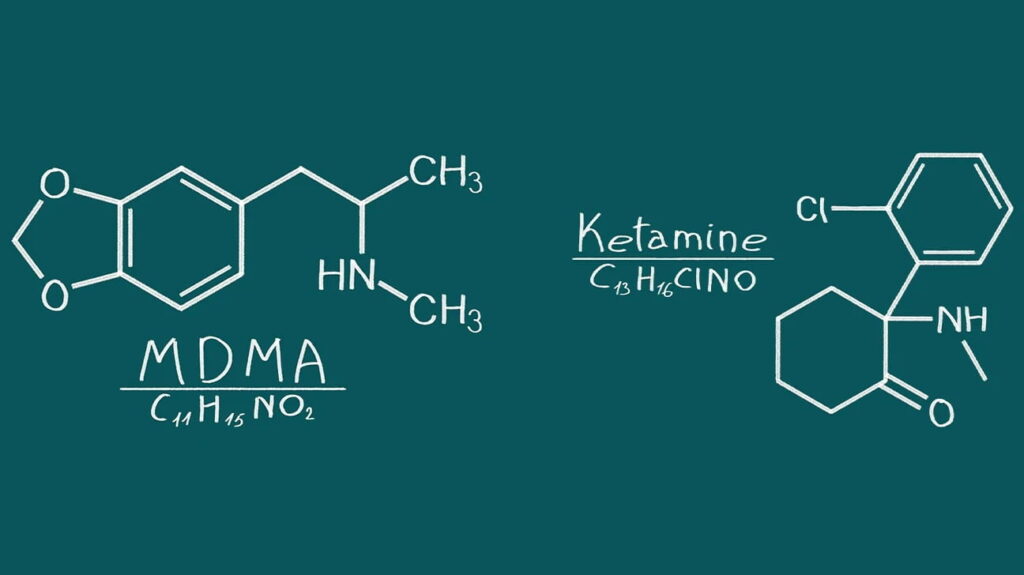

The Benefits of MDMA (Ecstasy/Molly): What Science Says About MDMA-Assisted Therapy The Benefits of MDMA Welcome to a deeper look into the world of MDMA, commonly known as ecstasy or Molly. While MDMA has long been associated with nightlife and recreational use, a growing body of research highlights a different story—one focused on MDMA-assisted therapy […]

Category Archives: MDMA
Introduction | buy mdma in canada
buy mdma in canada MDMA, scientifically known as 3,4-methylenedioxymethamphetamine, has become one of the most widely discussed substances in modern mental health research. Although it is commonly recognized for its historical association with nightlife and recreational settings, today’s scientific community is studying MDMA in a very different context. Researchers are investigating whether MDMA-assisted psychotherapy may improve treatment outcomes for certain mental health conditions when administered in carefully controlled clinical environments.
In Canada, mental health remains a major public health priority. Millions of Canadians experience conditions such as post-traumatic stress disorder (PTSD), anxiety disorders, depression, and other mental health challenges. As a result, researchers, universities, hospitals, and healthcare organizations across Ontario, British Columbia, Alberta, Quebec, Manitoba, Saskatchewan, Nova Scotia, New Brunswick, Prince Edward Island, and Newfoundland and Labrador continue to explore innovative evidence-based approaches to treatment.
Unlike recreational use, MDMA-assisted therapy involves structured psychotherapy, comprehensive medical screening, professional supervision, and extensive follow-up care. This distinction is essential to understanding why MDMA has become the subject of growing clinical interest.
This article explores what MDMA is, how it affects the brain, its role in current scientific research, the therapeutic applications being investigated in Canada, and important safety considerations surrounding ongoing clinical studies.
What Is MDMA? | buy mdma in canada
MDMA is a synthetic psychoactive compound that affects several neurotransmitters responsible for regulating mood, emotional processing, memory, and social behavior.
Researchers classify MDMA as an empathogen because it may temporarily increase feelings of emotional openness, empathy, trust, and interpersonal connection. It also has stimulant properties that influence alertness and energy.
The primary neurotransmitters affected by MDMA include:
- Serotonin
- Dopamine
- Norepinephrine
Scientists believe these temporary neurochemical changes may help explain why MDMA is being investigated as a possible therapeutic tool for certain psychiatric conditions when combined with psychotherapy under professional medical supervision.
Unlike medications routinely prescribed for depression or anxiety, MDMA is currently being studied primarily within clinical research settings.
Therapeutic Applications of MDMA
Interest in MDMA has increased because researchers believe it may temporarily create conditions that allow some patients to engage more effectively with psychotherapy.
Current areas of investigation include:
- PTSD treatment
- Trauma recovery
- Emotional processing
- Therapeutic communication
- Fear reduction during psychotherapy
Rather than functioning as a stand-alone treatment, MDMA is being studied as an aid to structured psychotherapy delivered by trained mental health professionals.
Researchers continue evaluating how these therapeutic approaches compare with conventional mental health treatments.
MDMA Research in Canada
Canada continues contributing to international research involving psychedelic-assisted psychotherapy.
Researchers, healthcare professionals, and academic institutions throughout Ontario, British Columbia, Alberta, Quebec, Manitoba, Saskatchewan, Nova Scotia, New Brunswick, Prince Edward Island, and Newfoundland and Labrador remain involved in broader discussions concerning innovative mental health treatments.
Canadian universities and research centres collaborate with international organizations studying PTSD, trauma recovery, depression, anxiety disorders, and emerging psychiatric therapies.
As evidence continues to develop, Canada remains an important participant in evaluating the effectiveness, safety, and ethical implementation of MDMA-assisted psychotherapy.
Frequently Asked Questions
What is MDMA?
MDMA is a synthetic psychoactive substance that influences serotonin, dopamine, and norepinephrine within the brain.
Is MDMA used medically in Canada?
MDMA is primarily being investigated through carefully regulated clinical research rather than routine medical practice.
Why are researchers studying MDMA?
Researchers are investigating whether MDMA-assisted psychotherapy may improve outcomes for certain mental health conditions, particularly PTSD.
How is MDMA-assisted therapy different from recreational use?
Clinical research involves medical supervision, participant screening, structured psychotherapy, and ongoing monitoring, making it fundamentally different from recreational settings.
Is more research needed?
Yes. Scientists continue conducting clinical trials to better understand long-term safety, effectiveness, and appropriate therapeutic applications.
Conclusion
MDMA has evolved from being widely recognized in recreational settings to becoming one of the most actively researched substances in modern psychiatry. Across Canada, researchers continue studying whether MDMA-assisted psychotherapy may offer new possibilities for treating PTSD and other complex mental health conditions when delivered
Post-traumatic stress disorder (PTSD) is a debilitating condition that affects a significant portion of the population. Traditional approaches to treating PTSD, such as trauma-specific psychotherapy and antidepressant drugs, have shown limited effectiveness for many individuals. However, recent clinical trials have demonstrated promising results for MDMA-assisted psychotherapy as a potential treatment for PTSD. This article explores […]
The Evolution of MDMA: From Scientific Discovery to Cultural Phenomenon Introduction The Evolution of MDMA. Few psychoactive substances have influenced modern culture, scientific research, and public debate as profoundly as MDMA. Known scientifically as 3,4-methylenedioxymethamphetamine, MDMA has traveled a remarkable path over the last century. Its story stretches from pharmaceutical laboratories and government research programs […]
Can MDMA Help With Anxiety? Understanding the Research in Canada Introduction | Can MDMA Help with Anxiety? Can MDMA Help with Anxiety?. Anxiety disorders affect millions of people worldwide and remain one of the most common mental health challenges in Canada. From generalized anxiety disorder and social anxiety to panic disorder and trauma-related conditions, anxiety […]
Microdosing MDMA: Unlocking the Potential of Minimal Doses Microdosing MDMA In recent years, there has been a growing interest in the practice of microdosing MDMA, a synthetic drug commonly known as Molly. Unlike traditional recreational use, microdosing involves taking minimal amounts of MDMA to explore its potential effects without experiencing the intense euphoria associated with […]
The Therapeutic Potential of MDMA: Enhancing Mental Health in Canada Introduction | The Therapeutic Potential of MDMA The Therapeutic Potential of MDMA. Mental health remains one of Canada’s most significant public health priorities. Conditions such as post-traumatic stress disorder (PTSD), anxiety disorders, depression, and other mental health challenges affect millions of Canadians every year. As […]
Differences Between Ketamine and MDMA: Understanding Their Medical Uses and Mental Health Research in Canada Introduction | Differences Between Ketamine and MDMA Ketamine and MDMA are two very different substances, yet both have attracted significant scientific attention for their potential roles in mental health treatment. Although they are sometimes mentioned together in discussions about depression, […]