Psychoactive Substances Guide: MDMA, Ketamine, Cannabis, LSD, DMT & Pharmaceuticals
Meta Description:
Explore a complete guide to psychoactive substances including MDMA, ketamine, cannabis, LSD, DMT, and pharmaceutical drugs. Learn effects, uses, and safety considerations.
Overview of Psychoactive Substances
Psychoactive substances are compounds that affect the brain, altering mood, perception, cognition, and behavior. They can be natural or synthetic and are used for recreational, medicinal, or therapeutic purposes.
This guide covers some of the most commonly discussed substances:
- MDMA (Molly/Ecstasy)
- Ketamine
- Cannabis (Weed)
- LSD (Acid)
- DMT
- Pharmaceutical pills
Each substance has unique effects, risks, and use cases.
MDMA (Molly / Ecstasy)
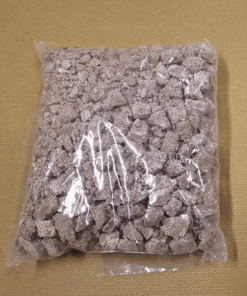
MDMA is a synthetic drug known for its euphoric and empathogenic effects.
Common effects:
- Emotional warmth and connection
- Increased energy
- Enhanced sensory perception
Considerations:
- Risk of dehydration and overheating
- Mood drop after use
- Variable purity
Ketamine
Ketamine is a dissociative substance used medically as an anesthetic and studied for mental health treatments.
Common effects:
- Dissociation from body and surroundings
- Altered perception of reality
- Sedation or relaxation
Considerations:
- Impaired coordination
- Risk of overuse
- Potential bladder issues with frequent use
Cannabis (Weed)
Cannabis is a plant-based substance widely used both recreationally and medically.
Key compounds:
- THC (psychoactive)
- CBD (non-psychoactive)
Common effects:
- Relaxation and euphoria
- Altered perception
- Increased appetite
Considerations:
- Anxiety or paranoia in high doses
- Impaired memory and focus
LSD (Lysergic Acid Diethylamide)
LSD is a powerful psychedelic known for its long-lasting effects on perception and cognition.
Common effects:
- Visual hallucinations
- Altered sense of time
- Deep introspective thoughts
Considerations:
- Long duration (8–12 hours)
- Risk of anxiety or “bad trips”
- Set and setting are critical
DMT (Dimethyltryptamine)
DMT is a fast-acting psychedelic that produces intense and short-lived experiences.
Common effects:
- Vivid visual and auditory hallucinations
- Altered sense of reality
- Profound psychological experiences
Considerations:
- Very intense effects
- Short duration (when smoked/vaped)
- Can be overwhelming for inexperienced users
Pharmaceutical Pills
Pharmaceutical drugs include prescription medications that can affect the brain and body. These may include:
- Painkillers (opioids)
- Benzodiazepines (for anxiety)
- Stimulants (e.g., ADHD medications)
Common effects:
- Pain relief or sedation
- Anxiety reduction
- Increased focus (stimulants)
Considerations:
- Risk of dependence or misuse
- Side effects vary by medication
- Should be used only as prescribed
Safety and Harm Reduction
Regardless of the substance, general safety principles include:
- Be informed about what you’re using
- Avoid mixing multiple substances
- Start with low amounts
- Use in a safe and controlled environment
- Stay hydrated and take care of your body
Conclusion
Psychoactive substances like MDMA, ketamine, cannabis, LSD, DMT, and pharmaceutical drugs each offer distinct effects and experiences. However, they also come with risks that should not be overlooked.
Understanding how these substances work, their potential effects, and safety considerations is essential for making informed and responsible decisions.

Others





Others

Others

Others

Others