-
The Benefits of MDMA Welcome to a deeper look into the world of MDMA, commonly known as ecstasy or Molly. While MDMA has long been associated with nightlife and recreational use, a growing body of research highlights a different story—one focused on MDMA-assisted therapy and its potential to help people experiencing severe mental health conditions.
In particular, clinical research has examined MDMA’s promise for treating post-traumatic stress disorder (PTSD) and other conditions linked to trauma, fear, and emotional shutdown. As studies progress, MDMA is increasingly discussed not only as a drug, but also as a tool that may enhance psychotherapy outcomes when used in carefully controlled settings.
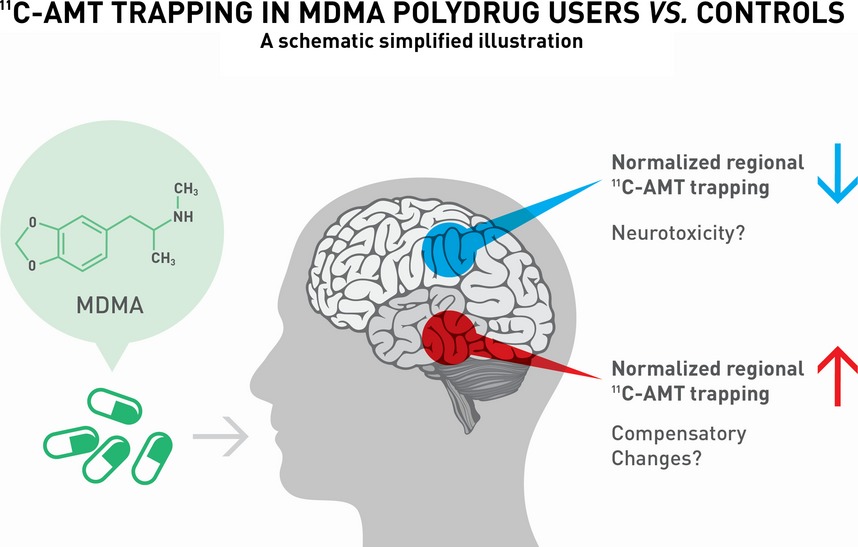
MDMA stands for 3,4-methylenedioxy-methamphetamine. It is a synthetic psychoactive compound that influences mood, empathy, perception, and emotional processing.
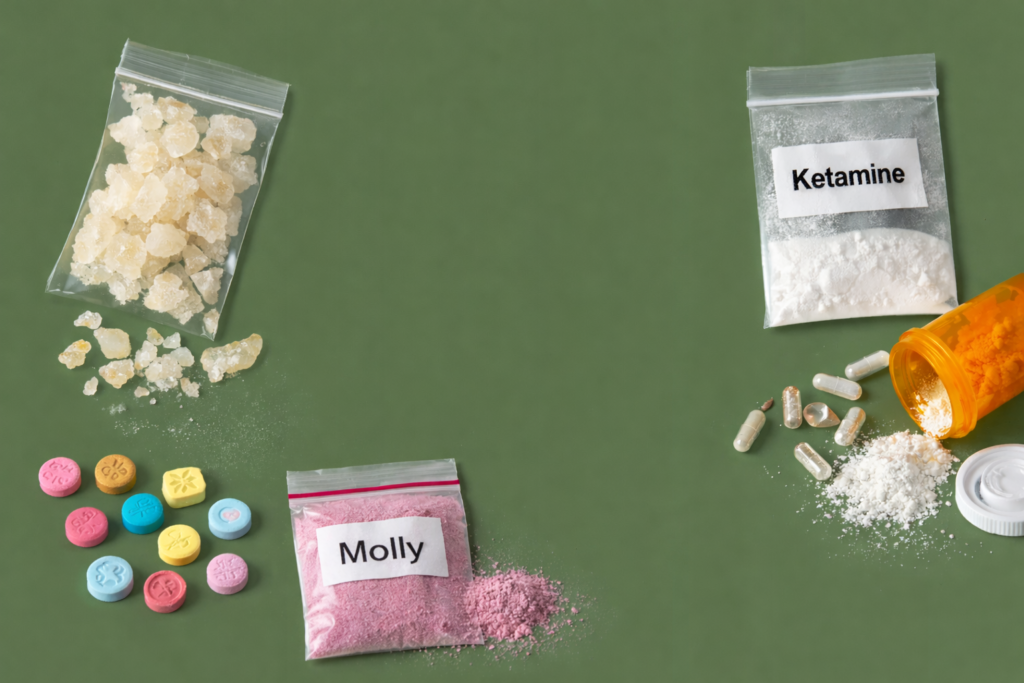
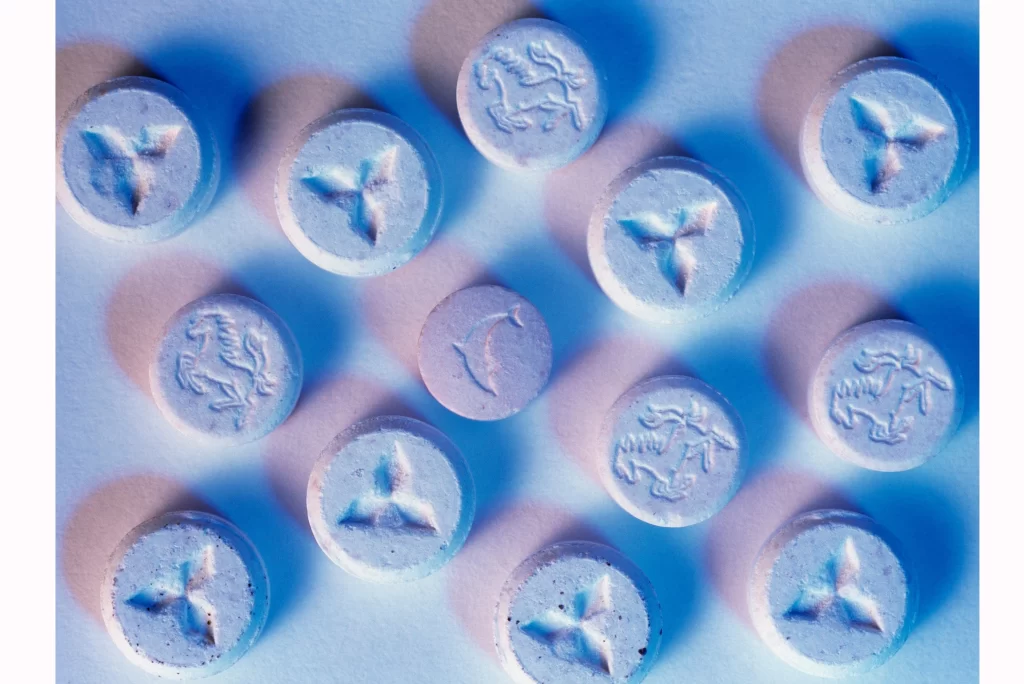
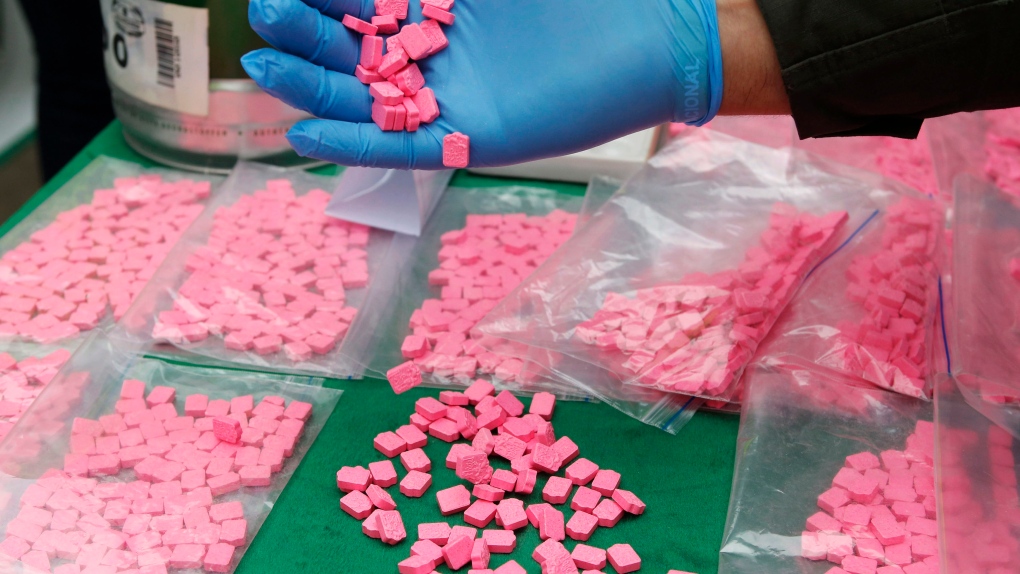
MDMA is most often classified as an amphetamine-type substance. In non-medical contexts, it is commonly found as tablets, capsules, or pressed pills. However, in therapeutic research, MDMA is being evaluated for its ability to support psychotherapy—especially for conditions like PTSD where standard talk therapy may not always provide sufficient relief.
The History of MDMA
MDMA has a long timeline that spans medicine, research, and eventually public controversy. It was first synthesized in the early 20th century and later became known for its psychological effects.
Although MDMA was not originally developed as a recreational substance, it gained cultural attention later as its psychoactive properties became widely recognized. Over time, regulatory restrictions limited clinical research and slowed progress. Despite this, scientists and clinicians continued exploring MDMA’s therapeutic potential, particularly as interest grew in psychedelic-assisted and substance-assisted psychotherapy.
Today, MDMA remains a major focus of modern clinical research—not because recreational use is being promoted, but because carefully designed trials may clarify whether MDMA-assisted therapy can meaningfully help people.
MDMA is thought to affect several neurotransmitter systems, including:
- Serotonin
- Dopamine
- Norepinephrine
These neurotransmitters influence emotional regulation, mood, energy, and stress response. In many research descriptions, MDMA is associated with increased feelings of openness, emotional closeness, and reduced fear—factors that may be important for trauma-focused psychotherapy.
In therapeutic settings, the goal is not to “solve trauma” with a single dose. Instead, MDMA may help create a psychological state where patients can engage more effectively with therapy, process difficult memories, and integrate emotional insights.
MDMA-Assisted Therapy: Why It’s Different From Regular Use
One of the biggest reasons MDMA is being studied is that MDMA-assisted therapy is designed as a structured treatment model. In clinical trials, MDMA is typically administered in an environment meant to feel safe and supportive, and it is paired with psychotherapy.
This distinction matters for how outcomes are evaluated. Researchers are not only asking whether MDMA has effects, but also whether the combination of MDMA plus structured therapy leads to better results than therapy alone.
The Benefits of MDMA for Mental Health
The most widely studied benefit of MDMA-assisted therapy is its potential for reducing PTSD symptoms. But researchers are also exploring how MDMA-assisted therapy may impact:
- trauma-related distress
- fear-based emotional responses
- emotional avoidance
- difficulty trusting others
- shame and self-blame
- chronic anxiety linked to traumatic experiences
While more research is still needed for broader conclusions, early clinical evidence has contributed to growing optimism around MDMA-assisted therapy as a potential next-generation approach for some people who have struggled with treatment-resistant PTSD.
MDMA and PTSD: What Clinical Research Shows
PTSD is often characterized by intrusive memories, emotional numbness, hypervigilance, and avoidance. Traditional therapies can help many people, but some individuals continue to experience intense symptoms even after multiple treatment attempts.
Clinical trials have investigated MDMA-assisted therapy as a method to support trauma processing. A widely cited line of research associated with PTSD has suggested that participants receiving MDMA-assisted psychotherapy experienced substantial reductions in PTSD symptoms and improvements that persisted over time.
In studies examining therapeutic outcomes, MDMA is typically paired with therapy sessions designed to help participants:
- prepare for the experience (set and setting within a clinical framework)
- process difficult memories with emotional support
- integrate insights afterward
- build new ways of relating to trauma-related thoughts and emotions
This may explain why the “benefits of MDMA” conversation today often focuses on integration, not just immediate emotional effects.
Many of the proposed therapeutic mechanisms involve emotional and interpersonal change. Participants and clinicians often describe MDMA as increasing empathy, encouraging openness, and reducing fear.
In practice, this could mean that patients find it easier to:
- talk about traumatic experiences
- revisit memories without becoming overwhelmed
- reframe self-blame or shame
- reconnect with emotions in a controlled way
- reduce avoidance and emotional shutdown
By supporting these processes, MDMA-assisted therapy may create conditions where psychotherapy becomes more effective—especially for individuals who find it difficult to engage deeply with trauma-focused work.
While PTSD has been the primary focus of clinical research, interest is also growing in MDMA-assisted therapy for other mental health conditions, including anxiety-related disorders and conditions where emotional fear responses play a central role.
Some early research and ongoing studies have explored the possibility that MDMA-assisted psychotherapy could benefit other populations. However, compared with PTSD research, findings in other areas are still developing. As a result, the most reliable “benefits” currently emphasized by the research community remain tied to PTSD.
It’s also important to acknowledge that MDMA can involve potential risks, especially outside medical supervision.
Commonly discussed acute effects can include:
Because MDMA affects physiology and psychology, safety planning, screening, and clinical support are key elements of how MDMA-assisted therapy is studied. Researchers focus on minimizing risk through controlled administration and professional guidance.